
Classical Acupuncture for Stress, Burnout, Emotional Health, and Nervous System Balance in Woodland, Kalama, La Center, Longview, Ridgefield, Battleground, Vancouver
Helping women move from overwhelm and exhaustion back to balance, energy, and connection.
A Taoist-inspired acupuncture practice helping high-capacity women move from burnout and survival mode back into connection with themselves.
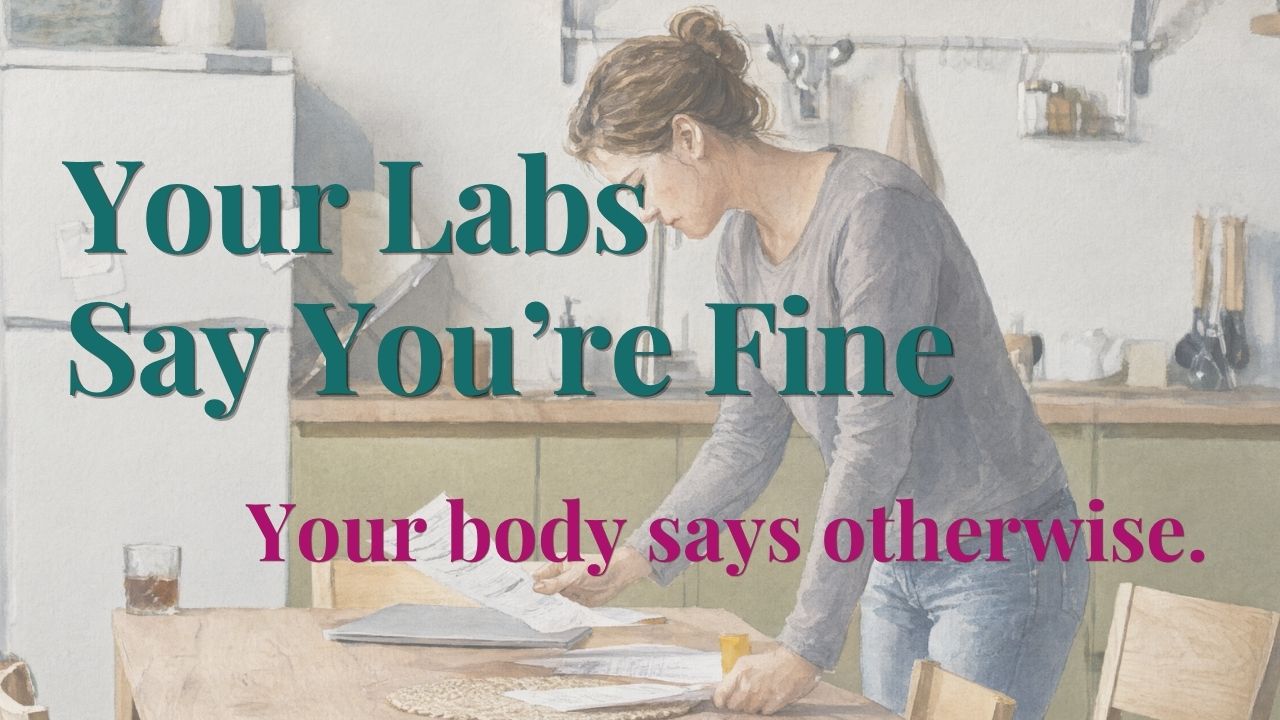
When You Know Something Is Off But No One Can Tell You Why
You’ve seen the doctor.
Maybe you’ve had blood work, imaging, specialist visits, medications, or multiple opinions. You’ve been told your labs look normal. Your scan doesn’t show anything alarming. Everything appears fine on paper.
But you don’t feel fine.
You just know that you’re exhausted. Sleep isn’t helping. Your concentration isn’t what it used to be. You’re forgetting things you normally wouldn’t forget.
Walking, balance, and coordination suddenly require more attention than they should. Things that used to feel automatic no longer feel automatic.
What you know for sure is that your body doesn’t feel like your body anymore. And the most frustrating part is that no one can tell you why.
If this sounds familiar, you’re not alone.
Who Ends Up in My Office With Unexplained Symptoms
I’ve been practicing acupuncture and Classical East Asian Medicine for over 15 years, and much of that time has been spent working with people whose symptoms don’t fit neatly inside conventional diagnostic boxes. I’ve also learned I don’t usually see patients at the beginning of their health journey.
I see them after they’ve run out of options. I don’t see that as a failure of Western medicine. I see it as a reminder that no single medical system has all the answers. The reality is that many people face increasingly complex health challenges.
I hear this every week from patients, “Something feels different. I don’t seem to bounce back like I once did, and it seems easier to get sick.”
By the time they arrive in my office, they’re often carrying a folder full of test results and a growing suspicion that nobody is connecting the dots.
That’s the part that interests me.
When Tests Are Normal but You Still Feel Sick
Many people are finding themselves or family members in a gray area where:
- Tests are normal, but symptoms persist and progress.
- Multiple specialists focus on individual body systems rather than the whole person.
You may have heard things like:
- “Your labs look fine.”
- “Nothing serious showed up.”
- “Let’s wait and see.”
- “Stress may be contributing.”
- “There’s not much else we can do.”
And you’re still looking for answers.
Acupuncture for Complex Cases That Don’t Fit the Boxes
Difficult health issues rarely fit neatly into a healthcare system designed around short appointments, diagnostic categories, and insurance-approved treatment pathways.
I practice differently.
I don’t have to rush to a conclusion.
I can sit with unusual cases, look at the whole picture, and see what I can from a different perspective.
Think of it this way: if several people are standing around a mountain, each person sees a different side. No single view is the entire mountain, but each perspective adds useful information. That’s how I view East Asian Medicine. It isn’t competing with other medical approaches. It’s another way of examining the same problem. It’s about seeing whether a different vantage point reveals something useful.
How I Approach a Complex Case With East Asian Medicine
It starts with you and reviewing what got you here from your perspective.
- Review previous testing: bring in your most recent results so we know where you’ve already been.
- Identify symptom patterns: what you’re experiencing, how it started, and how it affects you.
- Look at the whole person: East Asian Medicine looks beyond one body system, and the goal is to find the pattern so we can change it together.
- Develop a treatment strategy: begin with acupuncture, see how your body responds, and shape the plan from there.
- Reassess regularly: we’ll build a plan together and talk about what your commitment looks like in time and action.
Patient Stories: What Happens When You Cast a Wider Net
 Here are a few of the people I’ve worked with.
A woman in her late 40s came to see me after more than a year of feeling like she was running on fumes. She held a demanding job, supported her teenagers and her aging parents, and was the person everyone else counted on. Her blood work was normal. Her doctor said stress was probably a factor and suggested she slow down, which she’d have done if she knew how.
She told me she was waking at 3 a.m., losing words in meetings, and no longer recognized herself. Over several months of treatment, she began sleeping more through the night, thinking more clearly at work, and feeling like herself again. What she said mattered most was that someone had listened to the whole story.
A mother brought her teenage daughter to see me after months of headaches, balance problems, and trouble concentrating. She was a dedicated dancer, and both dancing and schoolwork were becoming hard. Despite a diagnosis of Type 1 Chiari malformation and extensive medical evaluation, the family wanted another perspective. Over the course of treatment, her headaches and sense of pressure gradually eased, her balance improved, and a few months later
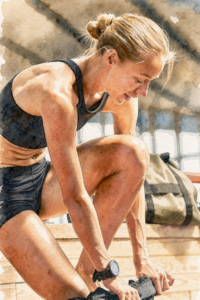 she was back in dance classes.
More and more, long COVID is taking away people’s ability to function. One triathlete came in after two years of post-COVID fatigue and breathing difficulties. Before becoming ill, training was part of daily life. Afterward, even normal exercise became difficult, and competing was no longer possible. Over three months, this athlete felt their energy return and breathing improve, enabling them to return to the workouts they love and to competition.
Details have been changed to protect privacy.
Whether you’ve been dealing with unexplained neurological symptoms, chronic pain, fatigue, balance problems, digestive issues, headaches, or a condition that seems to keep slipping through the cracks, you don’t need another person telling you that your symptoms are real.
You already know they’re real.
I don’t believe acupuncture has all the answers.
I do believe Classical East Asian Medicine and Acupuncture deserve a seat at the table, especially when conventional options have been exhausted, and you are still looking for a way to regain your health, independence, and life. To learn more, click here.
If that sounds like where you are, I’d love to hear your story. I work best with people who are open to more than one point of view and willing to take an active part in the plan, including paying attention to how they feel over time. I can’t promise answers, but I can promise to take the time to look closely at your history and what’s already been done.
Next Steps: Schedule a Free 15-Minute Call in Woodland, WA
If you’ve been told everything is normal but you know something is off, let’s talk.
The easiest first step is to schedule a free 15-minute call. You tell me what’s been going on, and you can ask me anything. I can’t diagnose over the phone, but I can tell you honestly whether it makes sense to go further with East Asian Medicine. No pressure and no commitment.
If you’d rather skip ahead, you can call the office (360)841-7558 and schedule your first appointment. We’ll go through your symptoms, health history, and previous testing to see whether acupuncture and Classical East Asian Medicine could be a useful addition to your healthcare team.
Subscribe to our Blog
Keep up to date with our latest tips for your well-being and life balance.

About Kim Blaufuss
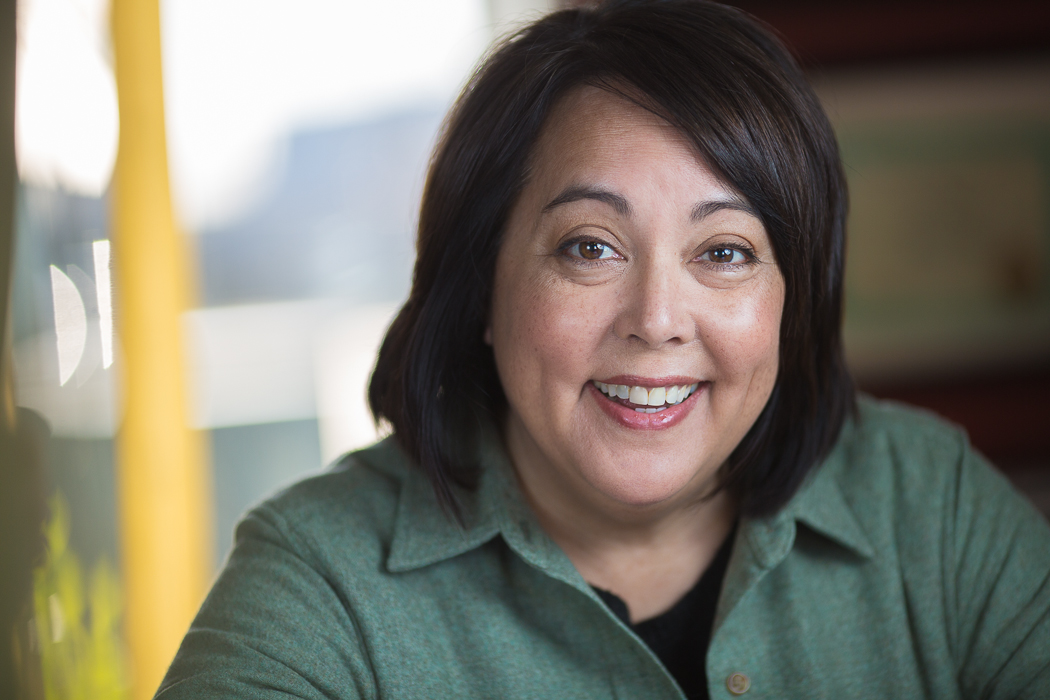
When I started my career, I had a very narrow idea of what was involved in Chinese Medicine. Later, I discovered that I had the wrong concept of health. My understanding of health was based on my Western background. In Classical Chinese Medical thought, health is something totally different.
Services




From our blog
Acupuncture Referrals in Woodland, Cowlitz County, and Vancouver WA: A Guide for Chiropractors and Osteopaths
Stuck patients don't always need a new exercise, they need another tool. Here's how chiropractors and osteopaths in Woodland, Cowlitz County, and Vancouver WA are using local acupuncture referrals to keep tough cases moving, and what a good referral relationship gives back to your practice.
Video of the Week
Feeling anxious and overwhelmed? Discover how Classical Taoist East Asian medicine helps you find balance, your voice, and your true self.